
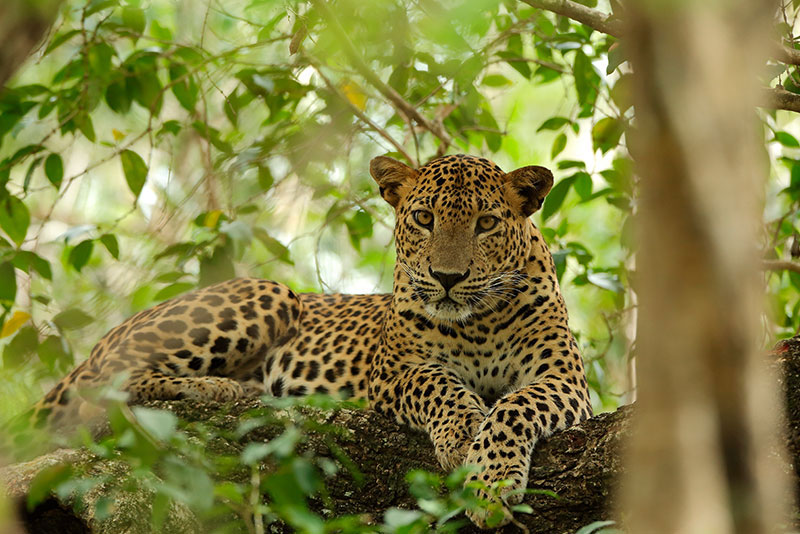
Wilpattu National Park in Sri Lanka is a must-visit destination for nature and wildlife enthusiasts. The park’s winding trails lead deep into pristine jungle, home to a variety of animals including leopards, Sri Lankan elephants, sloth bears, spotted deer, and water buffaloes.
A unique feature of Wilpattu is its “villus” – natural, sand-rimmed lakes that fill with rainwater and attract numerous bird species. Historically, the park is linked to Queen Kuweni, mother of the Sinhala race, and possibly Prince Saliya, son of King Dutugemunu, who are believed to have lived there over 2,000 years ago.
The ideal time to explore Wilpattu is from February to October, though it remains accessible to visitors year-round.
Wilpattu National Park Overview
Operating Hours:
The park is open daily from 6:00 a.m. to 6:00 p.m.
Safari Experience:
Game drives typically last 3 to 4 hours, offering opportunities to spot wildlife in their natural habitats.
Park Access:
The main entrance is through the Hunuwilgama Gate.
Key Ecosystems Within the Park
- Tropical Dry Mixed Evergreen Forests – Dense forests with diverse flora.
- Salt Marshes – Coastal wetlands supporting unique birdlife.
- Scrublands – Open areas with shrubs and grasslands.
- Villu Wetlands – Seasonal water-filled depressions attracting waterbirds.
- Coastal Beaches – Sandy stretches bordering the park.
Park Facts
- Total Area: 131,700 hectares
- Status: National Park, Important Bird Area (IBA), and an International Ramsar Wetland
- Altitude: Ranges from sea level up to 152 meters
- Annual Rainfall: Approximately 900 mm
- Average Monthly Temperature: Around 27°C
Nearby Towns:Nochchiyagama, Puttalam, Anuradhapura
Nearest Medical Facility:Rajanganaya Divisional Hospital
Access to Wilpattu (Palatupana / Block 1 Entrance)
- From Colombo: About 190 km via Puttalam
- From Anuradhapura: Around 39 km
Wildlife Highlights
- Sri Lankan Leopard – Elusive predator of the park
- Sri Lankan Elephant – Frequently seen near water sources
- Sri Lankan Sloth Bear – Rare, nocturnal species
Best Time to Visit
- February to October: Dry season – ideal for spotting animals as they gather near waterholes.
- November to January: Wet season – lush scenery, though some routes may be less accessible.
Accommodation Options
- Eco-lodges: Stay immersed in nature
- Luxury Safari Camps: All-inclusive packages with guided tours
- Budget Guesthouses: Affordable options in nearby towns