
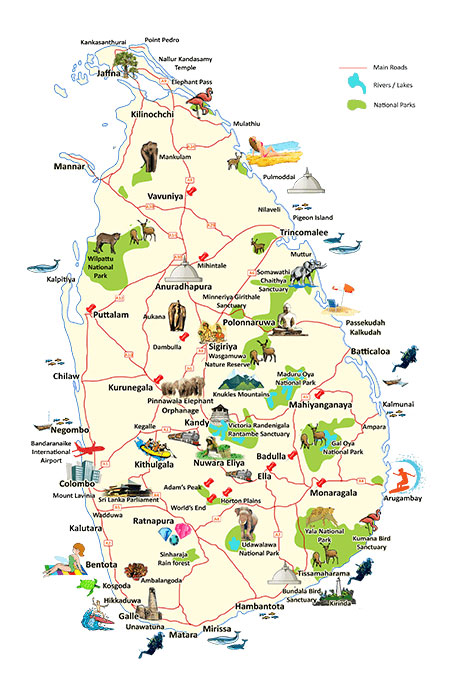
Sri Lanka, officially the Democratic Socialist Republic of Sri Lanka, is a vibrant island nation in South Asia, nestled in the Indian Ocean between the Bay of Bengal and the Arabian Sea. It lies just off the coast of India, separated by the Palk Strait and Gulf of Mannar, and shares maritime borders with India and the Maldives.
Its political capital is Sri Jayawardenepura Kotte, while Colombo—the largest city—serves as the island’s economic and cultural hub. Kandy, the historic hill capital, remains a major cultural centre. The majority speak Sinhala, with Tamil as the second most widely spoken language.
Home to about 22 million people, Sri Lanka is a mosaic of ethnic groups including Sinhalese, Sri Lankan Tamils, Moors, Indian Tamils, Burghers, Malays, Chinese, and the indigenous Vedda community.
With over 3,000 years of recorded history and prehistoric settlements dating back 125,000 years, Sri Lanka has been known by many names—Tambapaṇṇi, Taprobane, Serendib, and Ceylon. Its strategic location made it a prized stop on ancient trade routes like the Silk Road. Over centuries, the island saw rule by the Portuguese, Dutch, and British, before gaining independence in 1948 and becoming a republic in 1972.
Geography
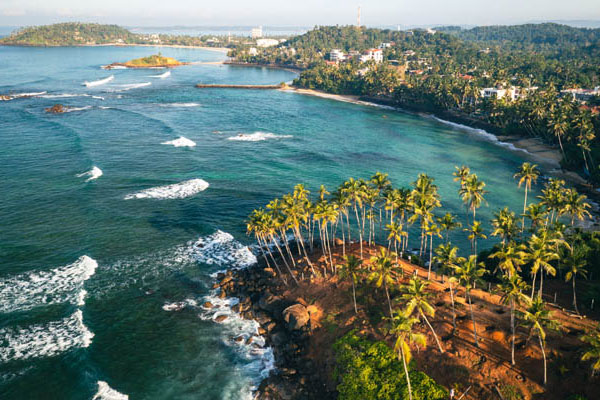
Sri Lanka—often described as a teardrop-shaped jewel in the Indian Ocean—lies just off the southern tip of India between 5°–10° N and 79°–82° E. Separated from the mainland by the Palk Strait and Gulf of Mannar, the island was once linked to India by a legendary land bridge, now visible as a chain of shallow limestone shoals.
Much of Sri Lanka features gentle coastal plains, rising dramatically in the south-central highlands to Pidurutalagala, its tallest peak at 2,524 m. The island’s 103 rivers include the longest, the Mahaweli, and feed lush landscapes dotted with waterfalls—most notably the towering 263-m Bambarakanda Falls.
With 1,585 km of coastline and a vast exclusive economic zone, Sri Lanka supports vibrant marine life, from coral reefs to seagrass beds. The island also hosts 45 estuaries, 40 lagoons, and over 7,000 hectares of protective mangroves. Rich in minerals and with confirmed offshore petroleum and gas reserves, Sri Lanka is a small island with remarkable natural wealth.
Climate
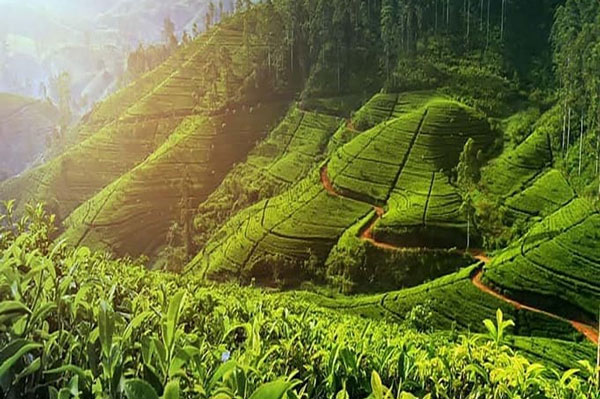
Sri Lanka’s climate is warm, tropical, and shaped by the surrounding ocean winds. Temperatures range from a cool 17 °C in the Central Highlands—where winter frost isn’t uncommon—to about 33 °C in the lowlands. Most areas experience average yearly temperatures between 28 °C and 31 °C, with noticeable differences between day and night.
Monsoon winds from the Indian Ocean and Bay of Bengal create dramatic rainfall contrasts across the island. The lush “wet zone” and central highland slopes can receive up to 2,500 mm of rain annually, while the eastern and northern “dry zone” gets far less—about 1,200 to 1,900 mm. The arid northwest and southeast coasts are driest of all, with as little as 800 mm per year. Seasonal squalls and occasional tropical cyclones also bring bursts of rain.
Humidity is highest in the southwest and hill country, shifting with monsoon patterns. Recently, heavier rainfall and rising averages have led to frequent flooding, affecting infrastructure, utilities, and urban life.
Government
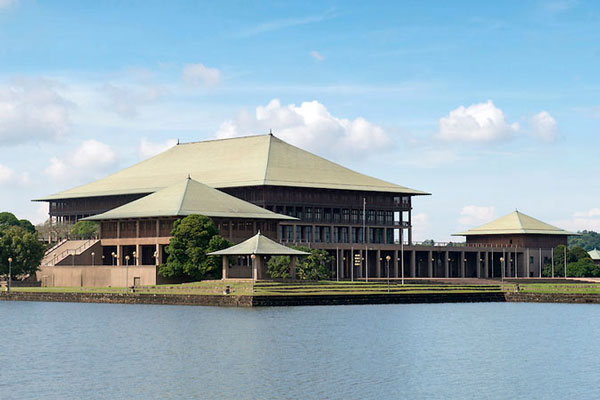
Sri Lanka is a democratic republic and a unitary state governed by a semi-presidential system. It is considered the oldest democracy in Asia. Most constitutional provisions can be amended with a two-thirds parliamentary majority, but key features—such as national symbols, religion, term limits, and the unitary status—also require approval through a national referendum. The Constitution officially defines Sri Lanka as a socialist state.
Demographics
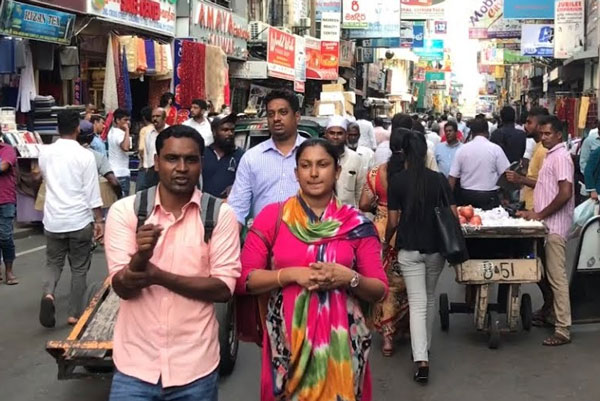
Sri Lanka has a population of about 22.16 million with a 0.5% annual growth rate. The birth rate is 13.8 per 1,000, and the death rate is 6.0 per 1,000. Population density is highest in the western region, especially around the capital. The Sinhalese form the majority at 74.8%, followed by Sri Lankan Tamils (11.2%) and Moors (9.2%). Smaller groups include Burghers, Malays, and the Vedda, the island’s indigenous people.
Economy
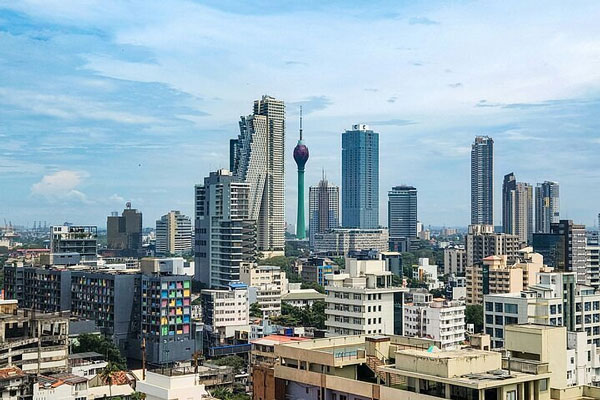
Sri Lanka has one of the highest per-capita GDP (PPP) levels in South Asia. Historically a plantation economy exporting cinnamon, rubber, and Ceylon tea, it shifted from state-led socialism (1948–1977) to a free-market system in 1977. Today its key economic sectors are tourism, tea, apparel, agriculture, and overseas worker remittances.
As of 2020, services contribute nearly 60% of GDP, industry 26%, and agriculture 8%. The Western Province dominates economic output, while the Northern Province saw rapid post-war growth. Poverty and unemployment fell sharply between 2005 and 2011, and living-standard indicators such as electrification and safe water access are high.
Sri Lanka ranks well on the Human Development Index and has been recognised internationally for tourism and charitable behaviour.
However, heavy borrowing for infrastructure pushed the country into a severe debt crisis, leading to IMF bailouts in 2016 and mounting foreign debt—including loans from China. By 2021 the country faced a major economic crisis, worsened by the COVID-19 pandemic and a collapse in tourism.
Culture
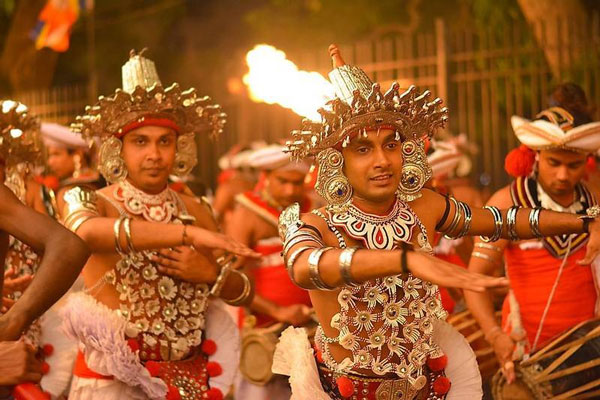
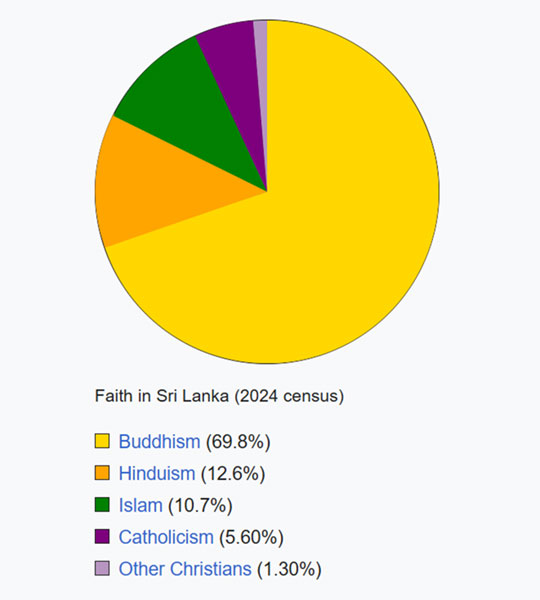
Sri Lankan culture is shaped mainly by Buddhism and Hinduism. It includes two traditional groups: the Sinhalese (from Kandy and Anuradhapura) and the Tamils (from Jaffna), who have lived together for centuries and share many similarities. The country is known for its ancient hydraulic engineering and architecture, with additional influence from British colonial rule. These blended traditions contribute to Sri Lanka’s high literacy, strong health standards, and long-life expectancy.
Religion
National Symbols of Sri Lanka
National Flag
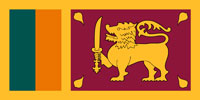
The national flag of Sri Lanka features a golden lion holding a sword in its right forepaw, symbolizing the Sinhalese people and the nation’s first king. The dark red (maroon) field behind the lion represents the Buddhist heritage of the country, while the four golden-yellow bo leaves in each corner stand for the Four Sublime States. Surrounding this field is a yellow border signifying the Buddhist monastic community. On the left side of the flag are two vertical stripes—green and saffron—representing the Moor and Tamil communities. The current design was officially adopted in 1950.
The National Emblem
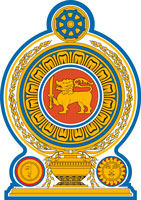
The national emblem of Sri Lanka, used by the government for administrative and official purposes, was introduced in 1972 when the country became a republic. At the center of the emblem is a lion holding a sword in its right forepaw, set against a maroon background and surrounded by blue lotus petals. The design also incorporates a sheaf of paddy, a traditional grain vase (punkalasa), the Dharmachakra, the sun, and the moon.
National Languages
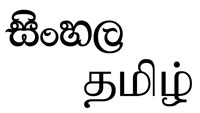
Sri Lanka’s national languages are Sinhala and Tamil. According to Chapter IV (Language), Article 19 of the Constitution of Sri Lanka, both Sinhala and Tamil are officially recognized as national languages.
National Flower
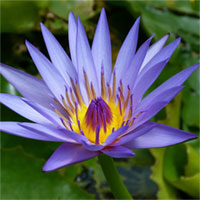
The water lily, declared Sri Lanka’s national flower on 26 February 1986, grows across the island in shallow waters. Long seen as a symbol of truth, purity, and discipline, it is linked to the Buddha and has been used in Sri Lankan ceremonies throughout history.
National Tree
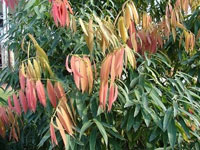
Ceylon ironwood (naa) was declared the national tree of Sri Lanka on 26 February 1986. It was selected for this honor because it is endemic to Sri Lanka and valued for its usefulness, historical and cultural significance, graceful form, wide distribution, appealing colour and character, and even its suitability for artistic depiction. In Theravada Buddhism, the tree is revered as the species under which enlightenment was attained. Since ancient times, Ceylon ironwood has been used for a variety of practical and cultural purposes.
National Bird
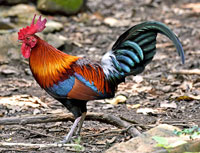
The Sri Lankan junglefowl, an endemic and vibrantly colored species, is the official national bird of Sri Lanka. It is commonly seen in national parks, jungles, and dense scrubland throughout the country.
National Butterfly
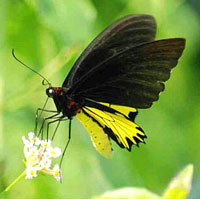
The Sri Lankan birdwing, endemic to Sri Lanka, has been designated as the national butterfly, highlighting its importance in the butterfly conservation action plan. Recognized as the largest butterfly in the country, it is considered a flagship species due to its wide distribution. Its glossy black and vibrant yellow wings, along with striking patterns, make it particularly captivating.
National Gemstone
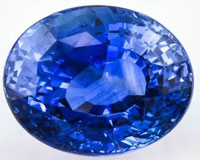
In October 2003, the blue sapphire was officially declared the national gemstone of Sri Lanka. To commemorate this announcement, a postage stamp valued at LKR 4.50 was issued on 2 October 2003. Sri Lanka is renowned for its blue sapphires, particularly prized for their remarkable size.
National Sport
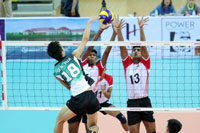
Volleyball was officially designated as the national sport of Sri Lanka in 1991. The game was introduced to the country in 1916, though some believe that Sri Lankans played a similar sport even earlier. Prior to volleyball, the traditional game of Elle was recognized as the national sport.