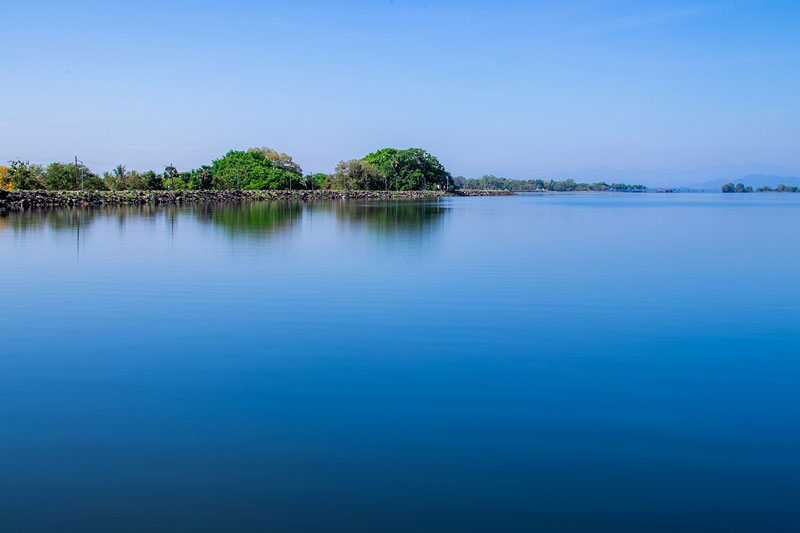
The Citadel of Polonnaruwa
The Citadel of Polonnaruwa, also known as the inner city, served as the royal quarter of the ancient capital. It contained the palace complexes of King Vijayabahu the Elder and King Parakramabahu the Great. This inner city was protected by a massive brick rampart, the foundations of which have been restored and are still visible today. Several important ruins remain within the citadel, three of which are highlighted below.
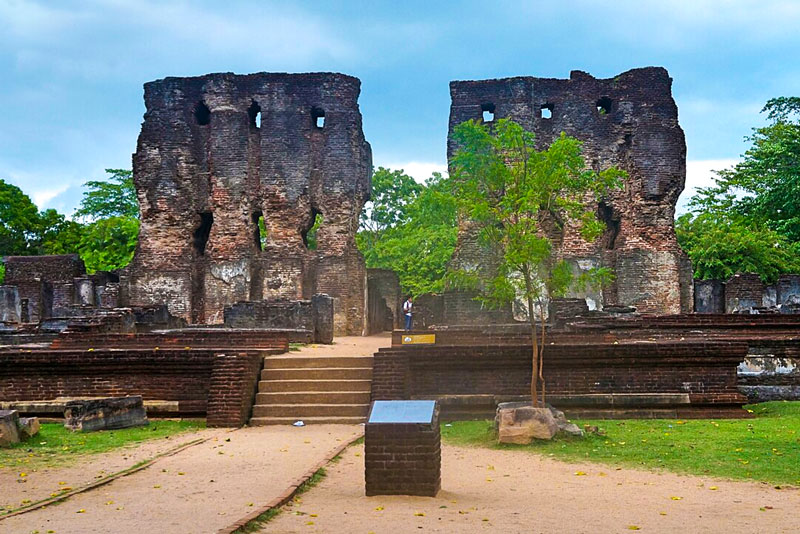
Palace of King Parakramabahu (Vijayantha Prasada)
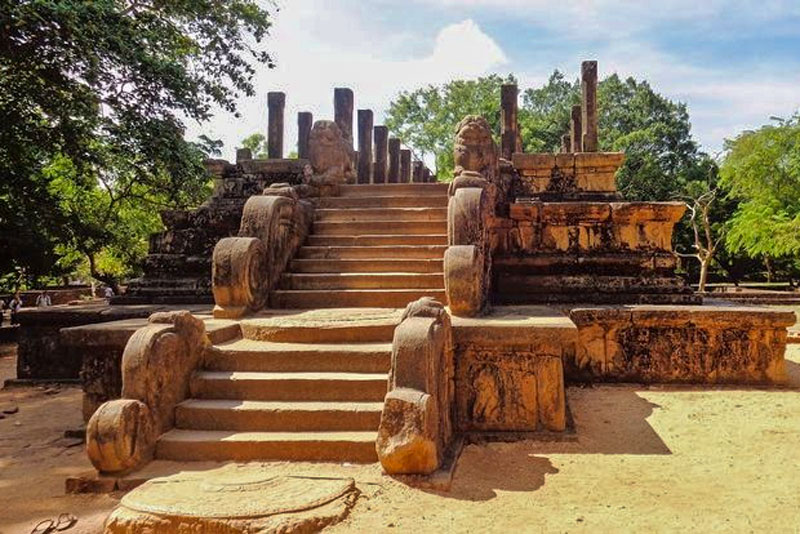
Council Chamber of King Parakramabahu
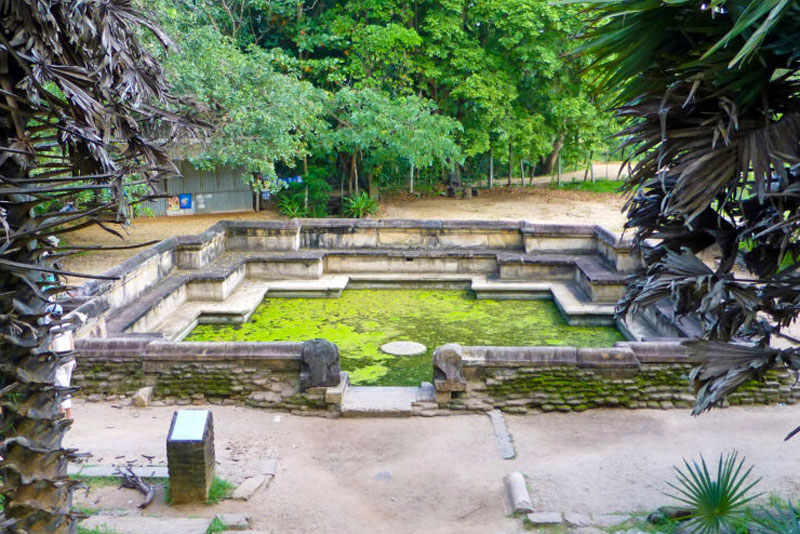
Royal Bath (Kumara Pokuna)
The Rock Temple of Gal Viharaya
Gal Viharaya is one of Sri Lanka’s most remarkable cultural treasures and a must-see stop on any journey through Asia. Set in the ancient city of Polonnaruwa, this sacred site is famed for its four magnificent Buddha statues, widely regarded as the finest rock-carved sculptures in the country.
Originally known as Uttararama, or the Northern Monastery, Gal Viharaya is unique in that all four statues are sculpted from a single granite cliff. This seamless rock face gives the temple a powerful and awe-inspiring presence.
Every detail reflects the extraordinary craftsmanship of the ancient artisans. The gentle folds of the Buddha’s robe appear to flow naturally over the stone, the reclining figure rests serenely on a carved pillow, and the subtle expressions convey deep spiritual calm. These lifelike elements transform solid rock into an emotional and artistic masterpiece, making Gal Viharaya an unforgettable highlight for travelers exploring Sri Lanka’s rich heritage.
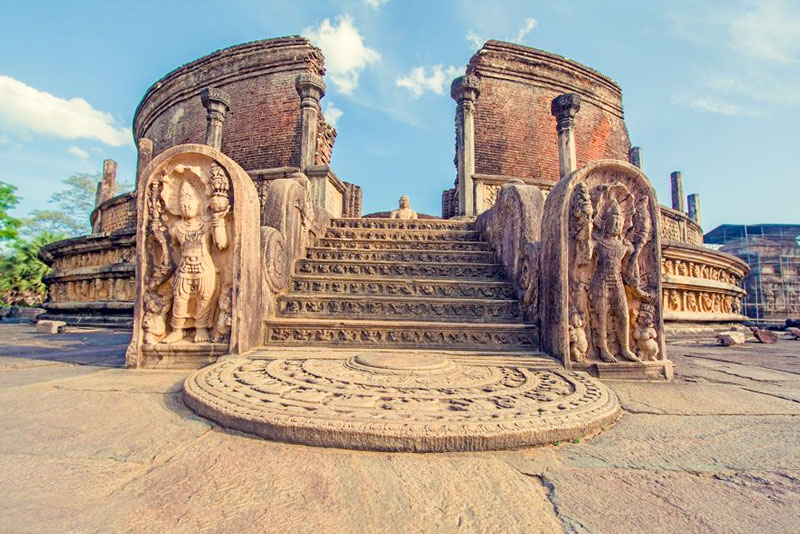
Vatadage (Circular Relic House)
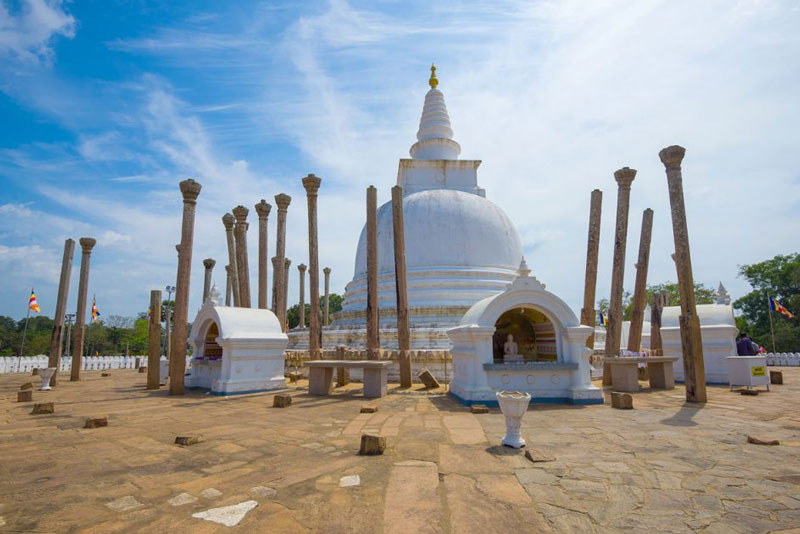
Thuparama – UNESCO World Heritage Monument
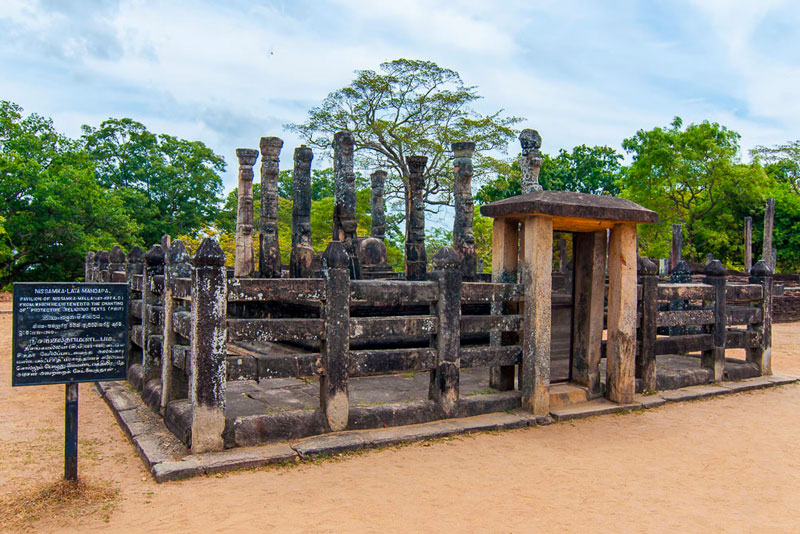
Nissanka Latha Mandapaya (Lotus Pavilion)
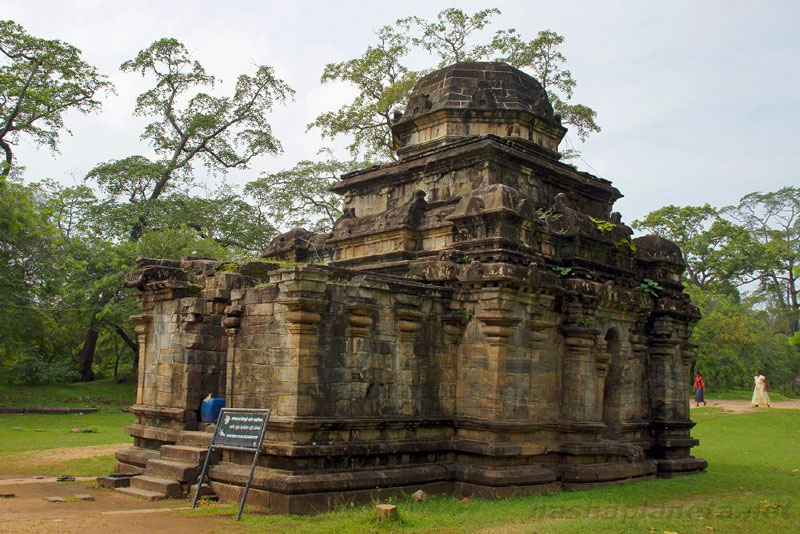
Shiva Devala No. 1 and No. 2
Parakrama Samudra – The Great Sea of a King
Parakrama Samudra is a magnificent man-made reservoir dating back to the 12th century. Commissioned by King Parakramabahu the Great, this vast water body stretches across nearly 26 square kilometers. Rather than being built entirely from scratch, it was ingeniously created by merging three much older reservoirs that date back to around the 3rd century CE. At the time it was completed, it was the largest reservoir on the island—earning it the poetic name “The Sea of Parakrama.” Today, the scenic banks of Parakrama Samudra are dotted with several historically significant sites worth exploring.
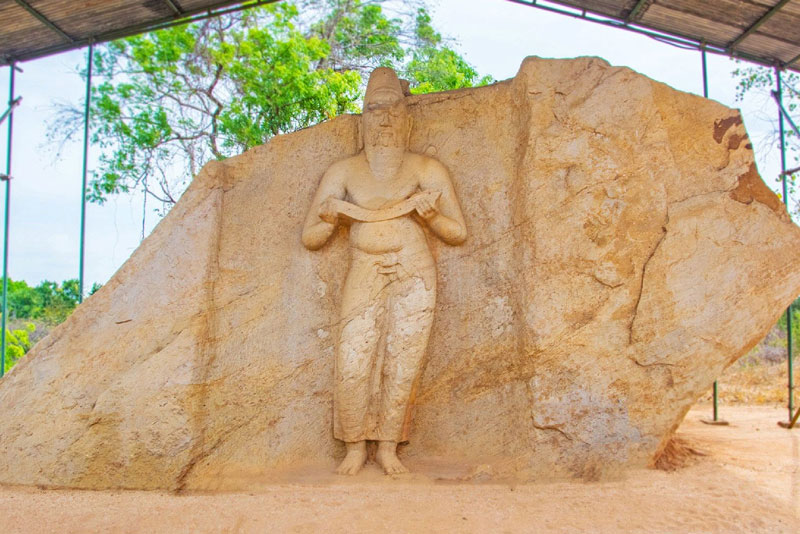
The Statue of Parakramabahu – Or the Sage Pulasthi?
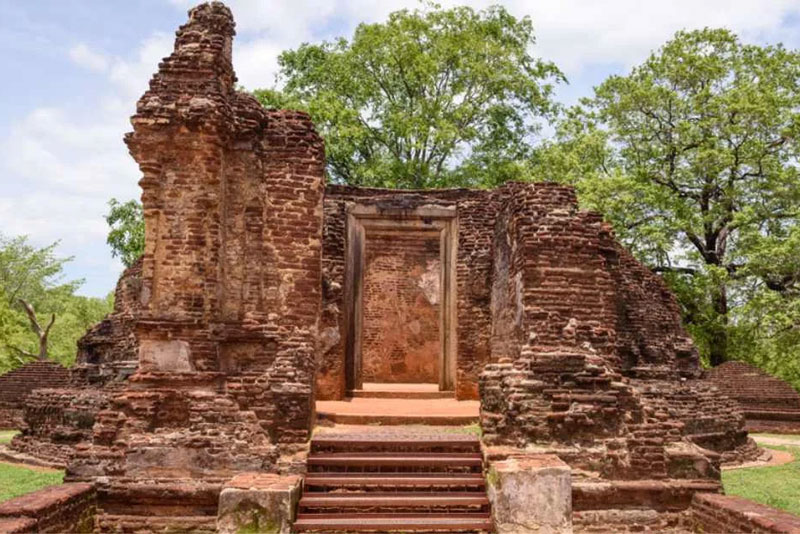
Pothgul Vehera Complex – A UNESCO World Heritage Treasure
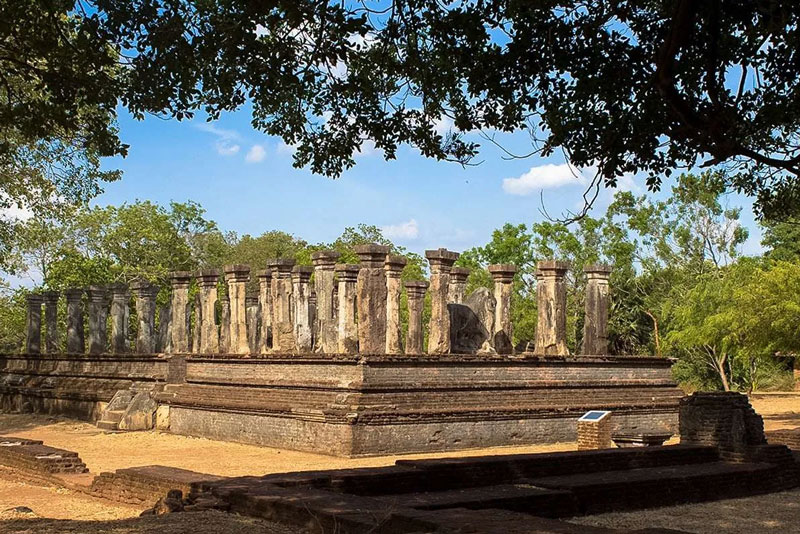
King Nissankamalla’s Palace Complex (Deepa Uyana)
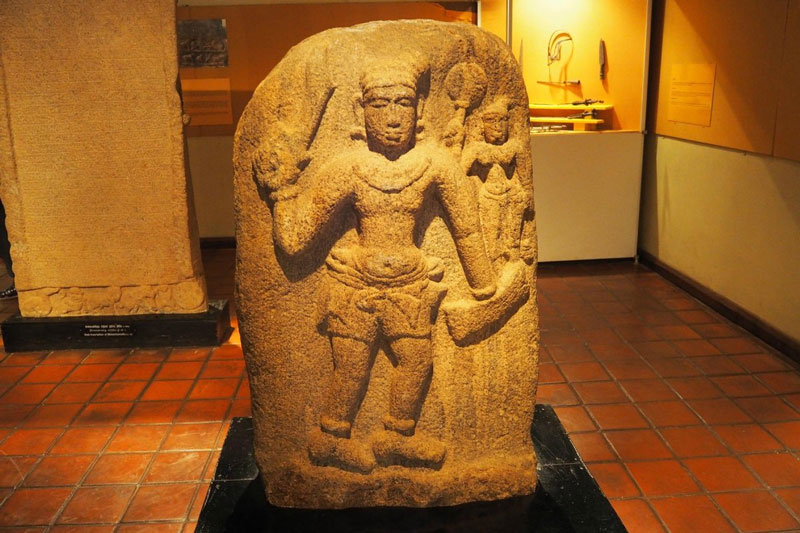
Polonnaruwa Archaeological Museum